


Macedonianach
| Malagasaidh | Malaidheach |
| Malayalamach | Malteseach |
| Maori | MarathiachMongolianach |
| BurmeseNepalach | |
| LochlannachPashto | |
| OD | Persianach |
| Punjabi | SerbianachSesotho |
| Sinhala | Slovacanach |
| Slobhenianach | Somali |
| Samòianach | Gàidhlig na h-AlbaShona |
| Sindeach | |
| Sundanais | Swahilieach |
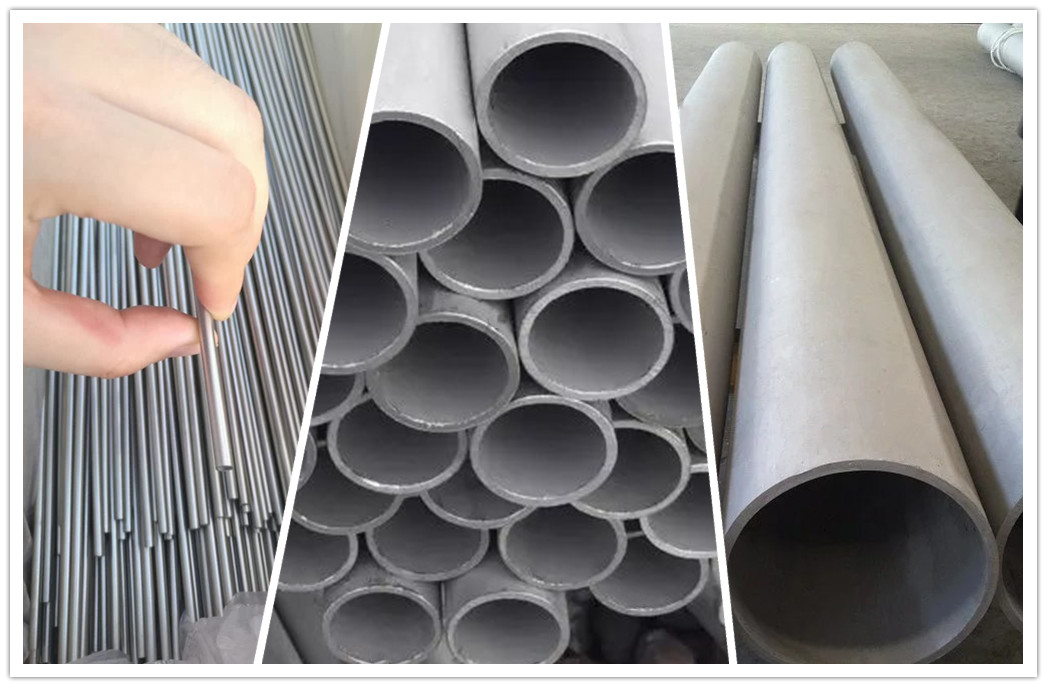
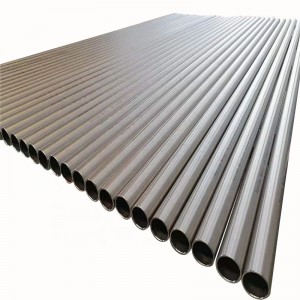
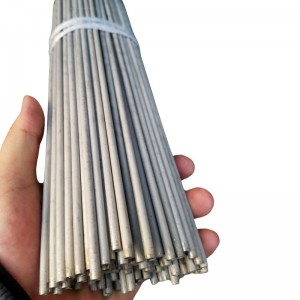
Detailed photos
1. Surface can be pickled, matt finished, polished, Mirror polished
2. End can be bevel end or plain end
3. length can be on request, customized.
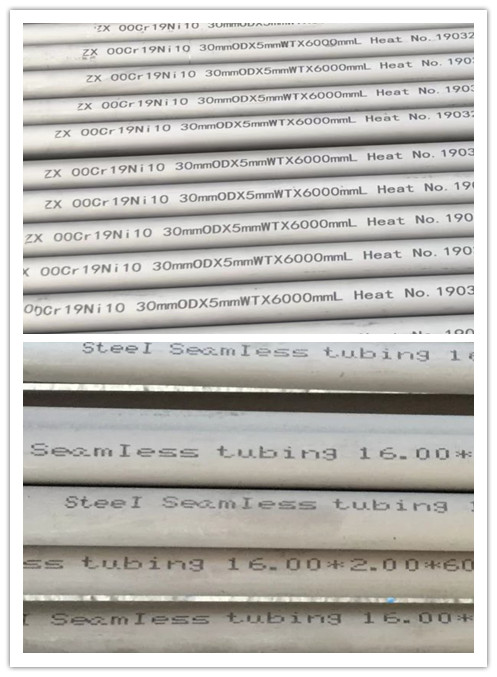
Marking
Printed marking on request. OEM is accepted.
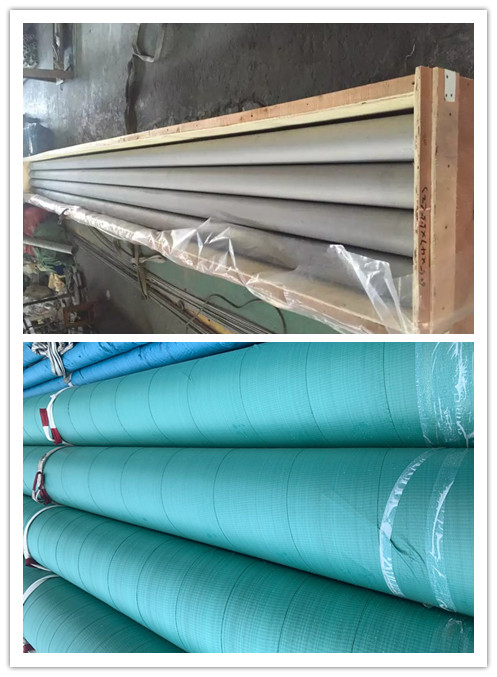
Packaging & Shipping
1. End will be protected by plastic caps.
Cuimris
Zhosa
Iùdhais
Iorùba
Inspection
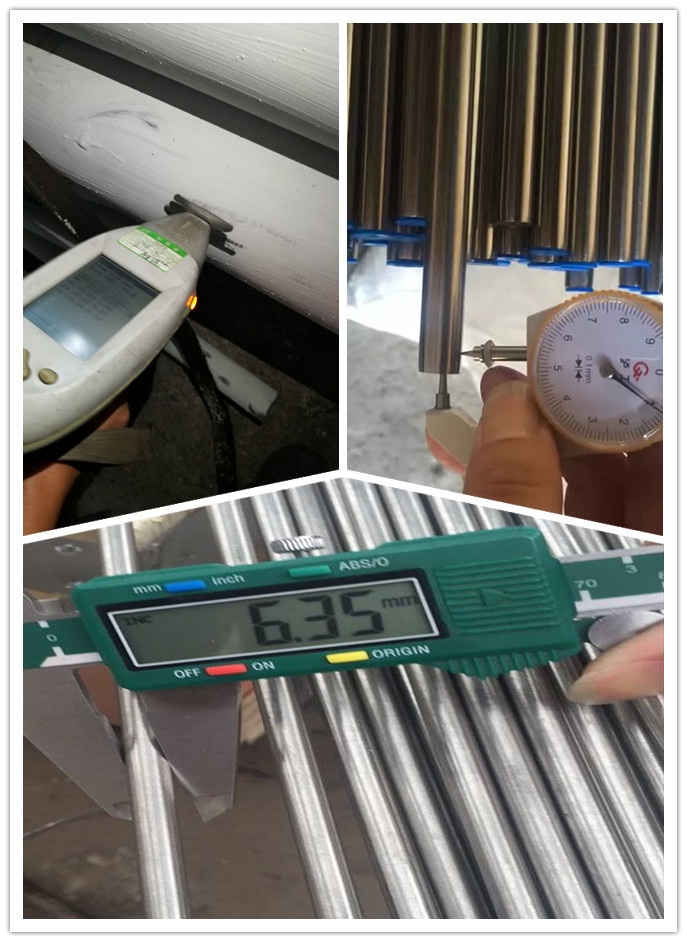
1. PMI, UT test, PT test.
2. Dimension test.
3. Supply MTC, inspection certificate, EN10204 3.1/3.2.
4. NACE certificate, sour service
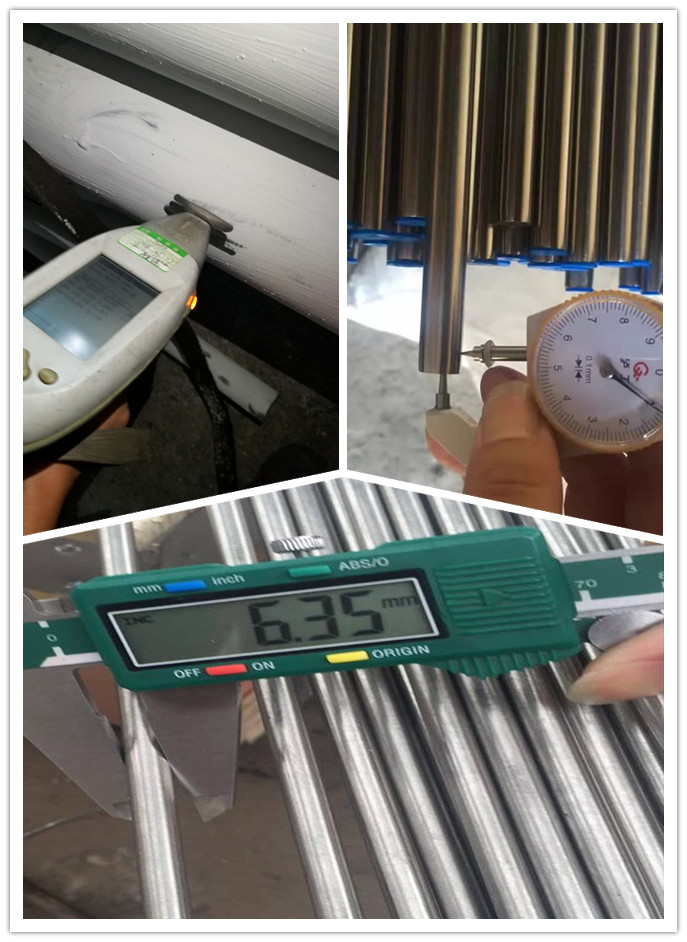
Before delivery, our QC team will arrange NDT test and dimension inspection.
Also accept TPI(third party inspection).
FAQ
1. What is 304 round stainless steel pipe seamless white steel pipe?
304 round stainless steel pipe seamless white steel pipe is a cylindrical pipe made of 304 grade stainless steel, seamless and with a white surface.
2. What is the difference between seamless steel pipe and welded steel pipe?
Seamless steel pipes are manufactured without any welds and have a smoother and more uniform surface. Welded steel pipe is made by welding two or more sections of steel together.
3. What are the benefits of using grade 304 stainless steel?
Grade 304 stainless steel is highly corrosion-resistant, making it suitable for a variety of applications. It also offers excellent strength and durability, good heat resistance, and is easy to clean and maintain.
4. What are the common uses of 304 round stainless steel pipe and seamless white steel pipe?
These pipes are commonly used in industries such as food processing, pharmaceutical, chemical, petrochemical, and construction. They can be used to transport fluids, gases and solids as well as in structural applications.
5. Can 304 round stainless steel pipe seamless white steel pipe be used for outdoor applications?
Yes, grade 304 stainless steel is suitable for outdoor applications as it resists corrosion caused by exposure to moisture, chemicals, and harsh weather conditions.
6. What is the maximum temperature that 304 round stainless steel pipe seamless white steel pipe can withstand?
Grade 304 stainless steel has a maximum operating temperature of approximately 870°C (1600°F), making it suitable for high temperature applications.
7. How to ensure the quality of 304 round stainless steel seamless white steel pipe?
The quality of these pipes is ensured through various tests and inspections, including chemical composition analysis, mechanical testing, dimensional inspection, and non-destructive testing methods such as ultrasonic testing.
8. Can the size and length of 304 round stainless steel seamless white steel pipe be customized?
Yes, these tubes can be customized to specific requirements in terms of size, length and even surface finish. Customization options are available to meet the diverse needs of different applications.
9. How should 304 round stainless steel seamless white steel pipes be stored?
To ensure proper storage, these tubes should be kept in a dry and clean environment, preferably indoors. They should be protected from moisture, chemicals and physical damage during storage.
10. Are there any certifications for 304 round stainless steel seamless white steel pipes?
Yes, reputable manufacturers can provide certifications such as Material Test Reports (MTR), Factory Test Certificates (MTC) and Certificates of Compliance to ensure product quality and traceability.
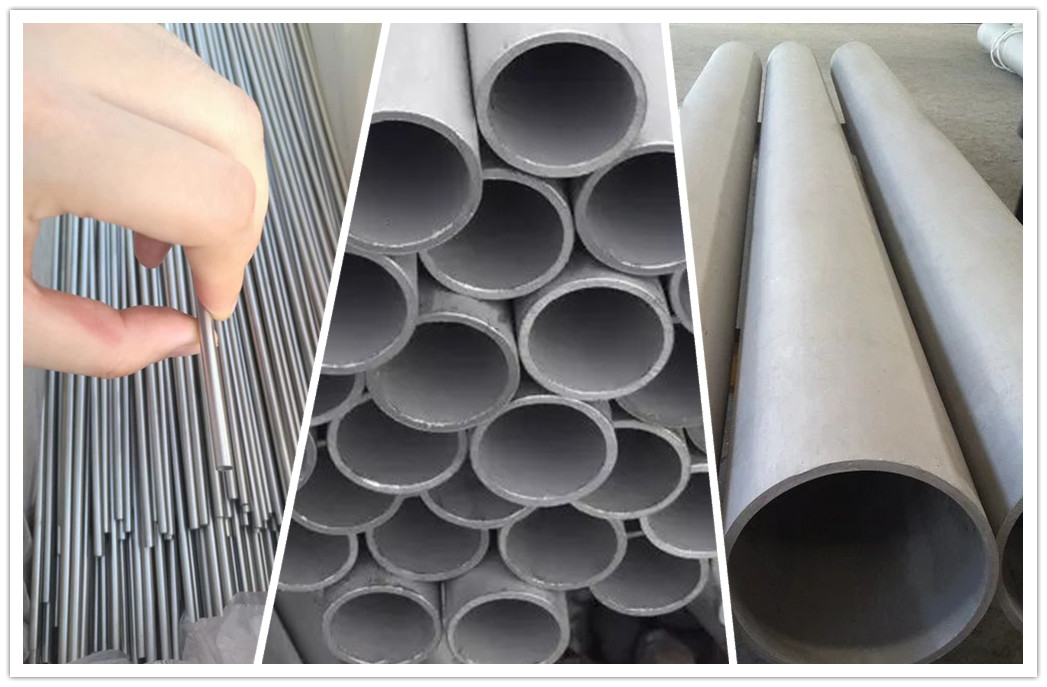
Detailed photos
1. Surface can be pickled, matt finished, polished, Mirror polished
2. End can be bevel end or plain end
3. length can be on request, customized.
Marking
Printed marking on request. OEM is accepted.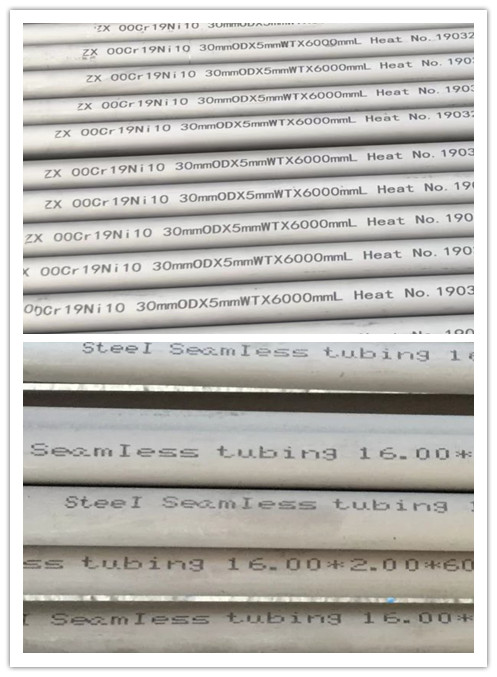
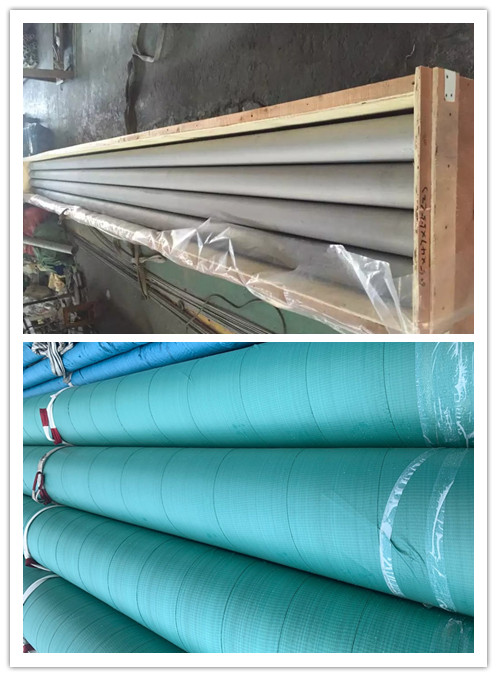
Packaging & Shipping
1. End will be protected by plastic caps.
2. Smaller tubes are packed by plywood case。
3. Bigger pipes are packed by bundling。
4. All package, we will put packing list.
5. Shipping marks on our request.
Before delivery, our QC team will arrange NDT test and dimension inspection.
Also accept TPI(third party inspection).
Inspection
1. PMI, UT test, PT test.
2. Dimension test.
3. Supply MTC, inspection certificate, EN10204 3.1/3.2.
4. NACE certificate, sour service
Pipe fittings are crucial components in the piping system, used for connection, redirection, diversion, size change, sealing or controlling the flow of fluids. They are widely applied in fields such as construction, industry, energy and municipal services.
Key Functions: It can perform functions such as connecting pipes, changing flow direction, dividing and merging flows, adjusting pipe diameters, sealing pipes, controlling and regulating.
Application Scope:
- Building water supply and drainage: PVC elbows and PPR tris are used for water pipe networks.
- Industrial pipelines: Stainless steel flanges and alloy steel elbows are used to transport chemical media.
- Energy transportation: High-pressure steel pipe fittings are used in oil and gas pipelines.
- HVAC (Heating, Ventilation, and Air Conditioning): Copper pipe fittings are used to connect refrigerant pipelines, and flexible joints are used for vibration reduction.
- Agricultural irrigation: Quick connectors facilitate the assembly and disassembly of sprinkler irrigation systems.
-
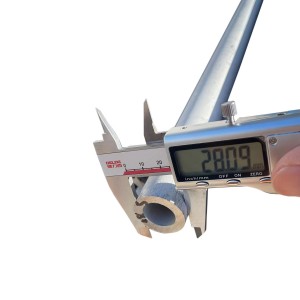
Metal Incoloy 825 Nickel Alloy Pipe Seamless Fo...
-
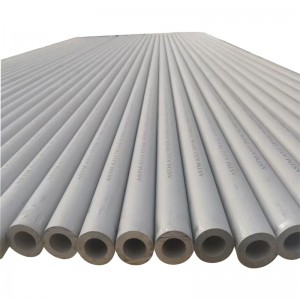
JIS Inconel600 Incoloy800h Inconel 625 Seamless...
-
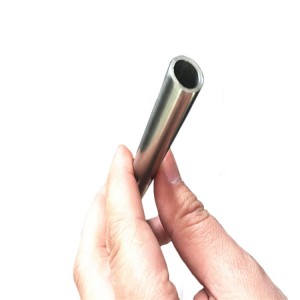
316L Stainless Steel Tube Small Diameter Polish...
-
Inconel 718 601 625 Monel K500 32750 Incoloy 82...
-
A249 stainless steel seamless pipe thickness 1....
-
Hastelloy C276 400 600 601 625 718 725 750 800 ...


